Courses I Convene
Term 2
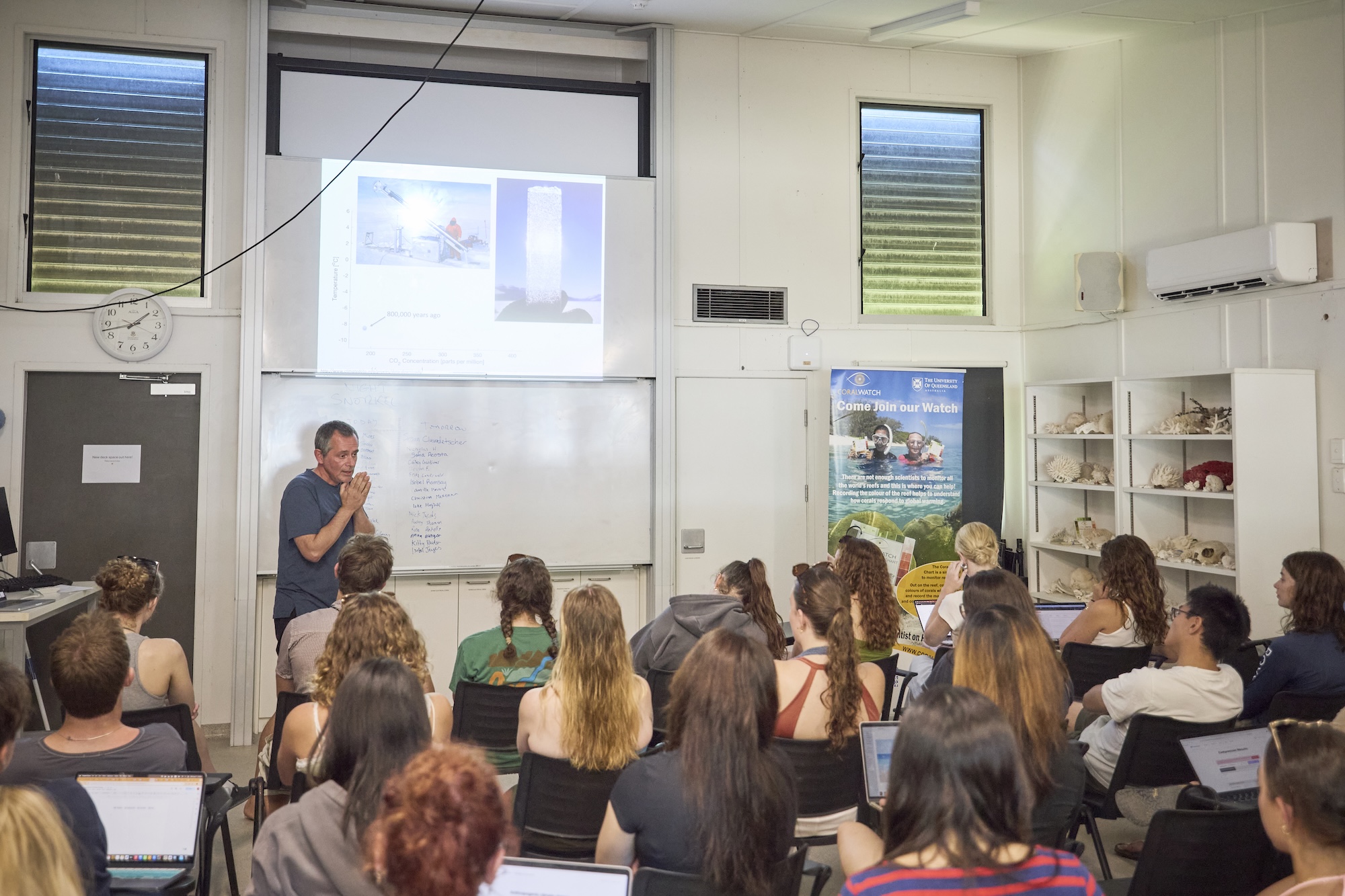
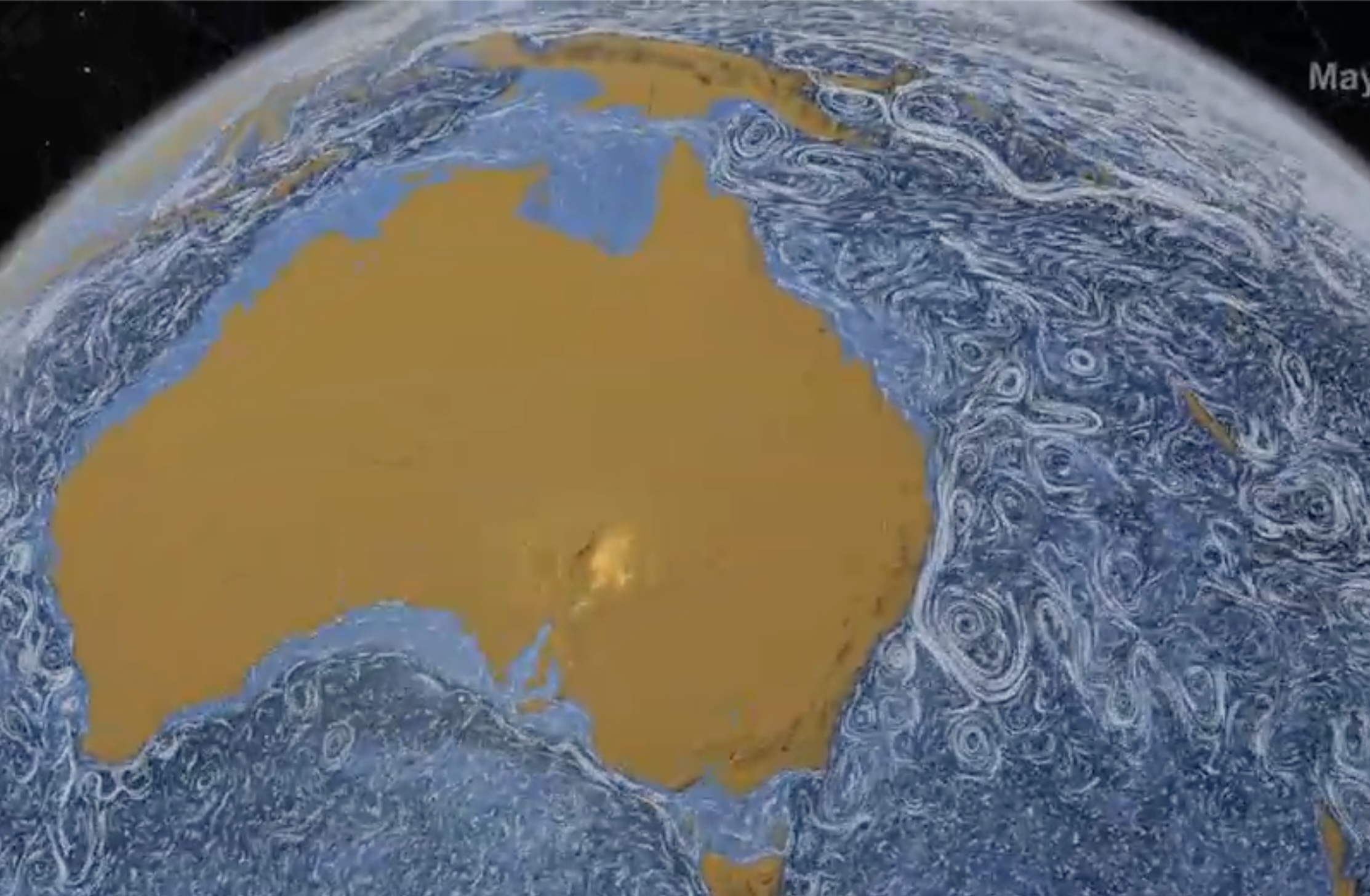
The way water circulates through the oceans shapes climate variability, marine ecosystems, and human societies. Through lectures, tutorials, and labs we dive into the physics behind everything from the East Australian Current to the global conveyor belt, from energetic eddies to the waves that reshape our beaches.
Students learn how we measure the ocean, analyse real observations, and apply theoretical tools to real-world problems such as El Niño, the Great Pacific Garbage Patch, and global heat uptake. The hands-on computational work and data analysis build the quantitative and analytical skills essential for pathways in climate science, marine research, and environmental management.
Prerequisites: Any 6 units of credit of Level 1 Mathematics
Term 2C – intensive
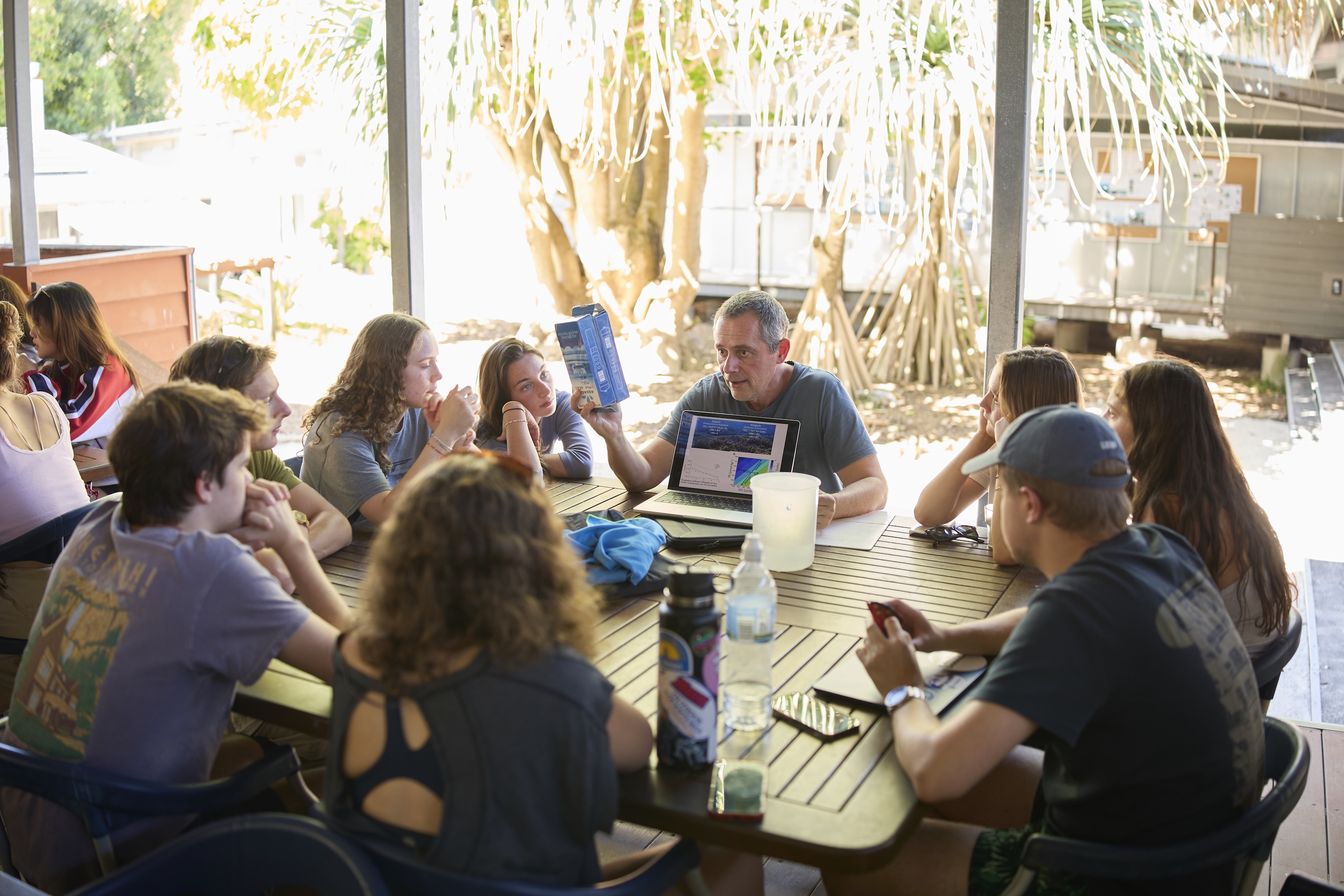
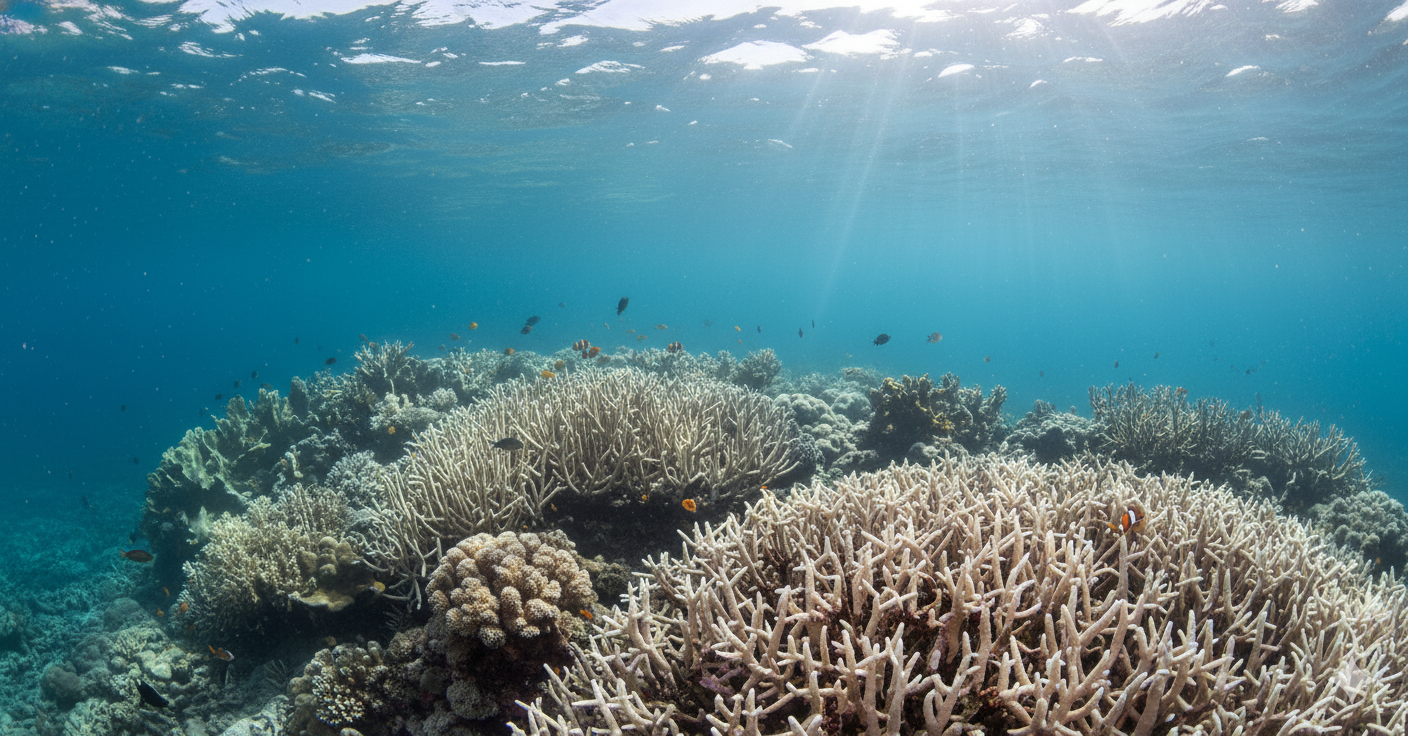
Tropical reefs are among the planet’s most diverse ecosystems yet they are extraordinarily sensitive to change. After several years of global bleaching and unprecedented mortality, understanding how these systems work—and fail—is critical. This intensive course provides a broad understanding of reef ecology, the physical and chemical environments that sustain them, and the drivers of degradation.
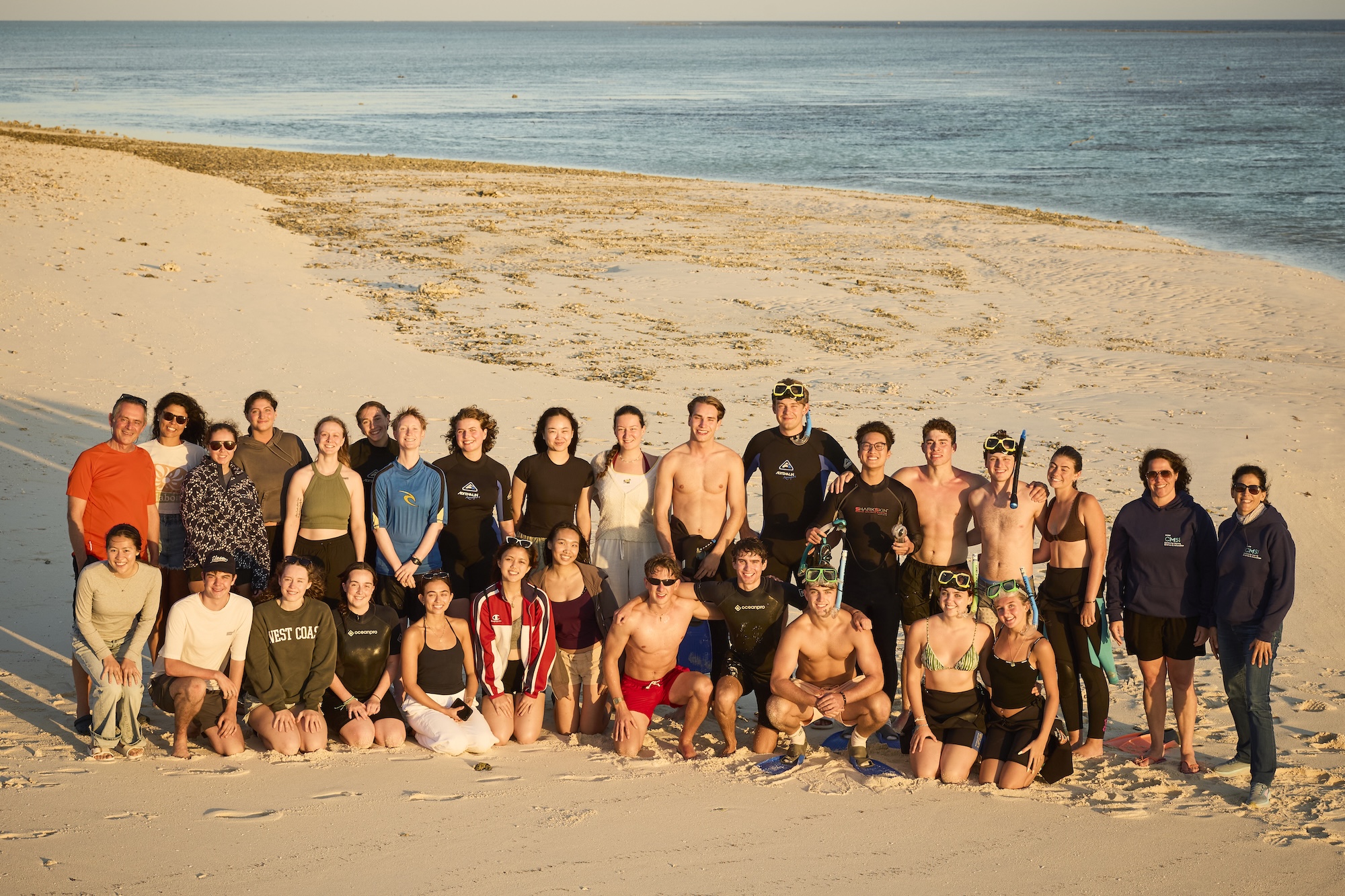
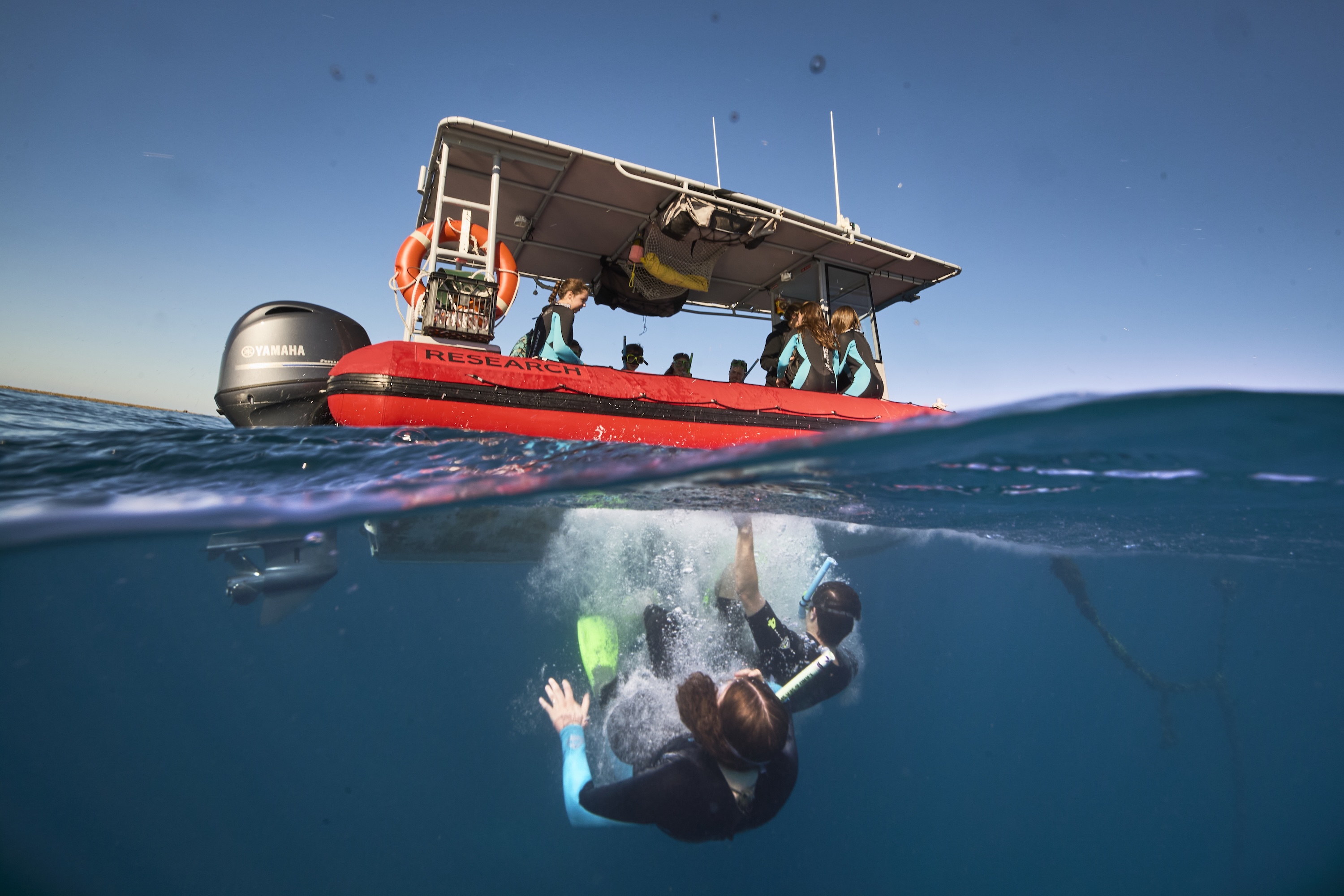
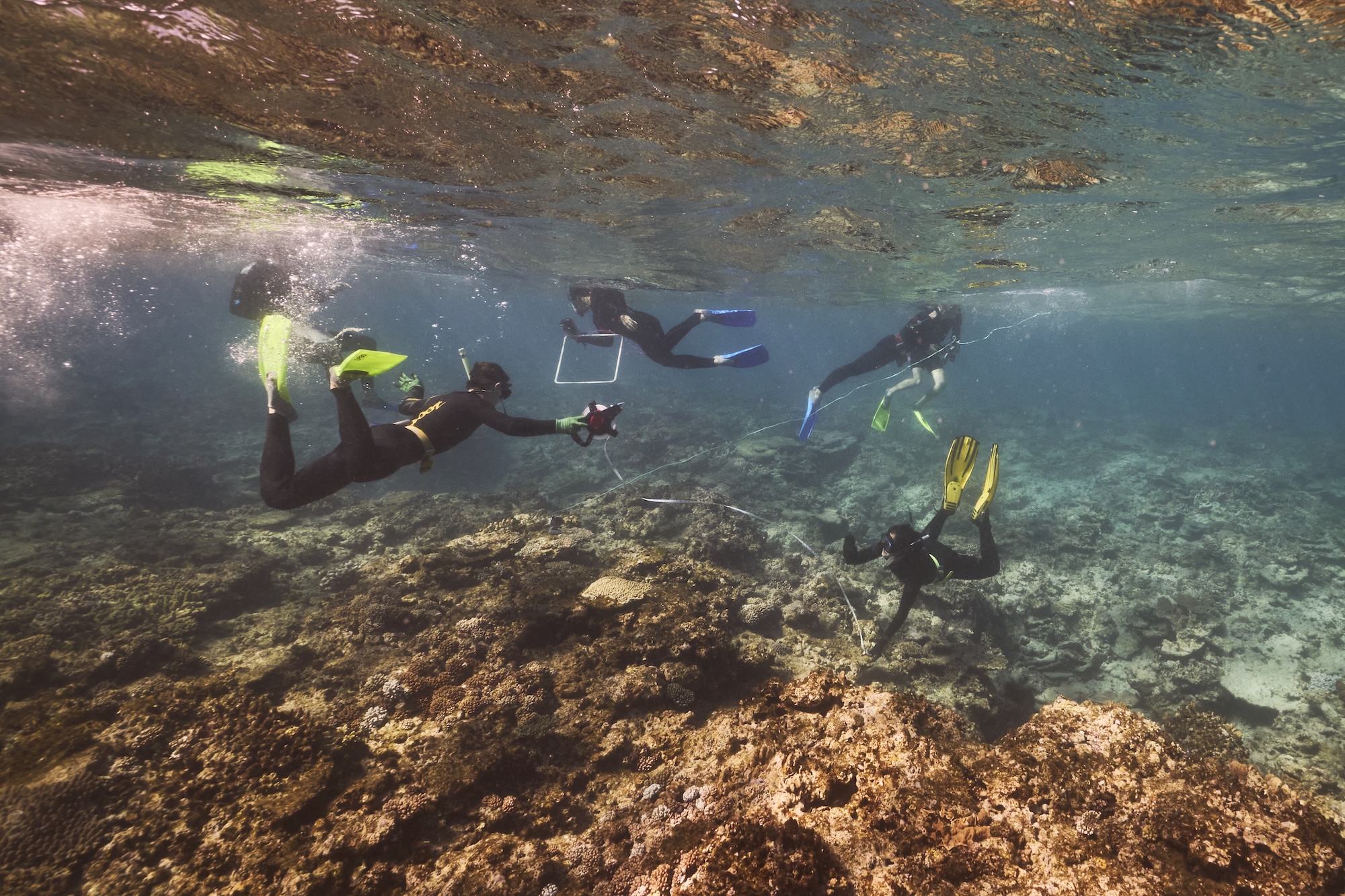
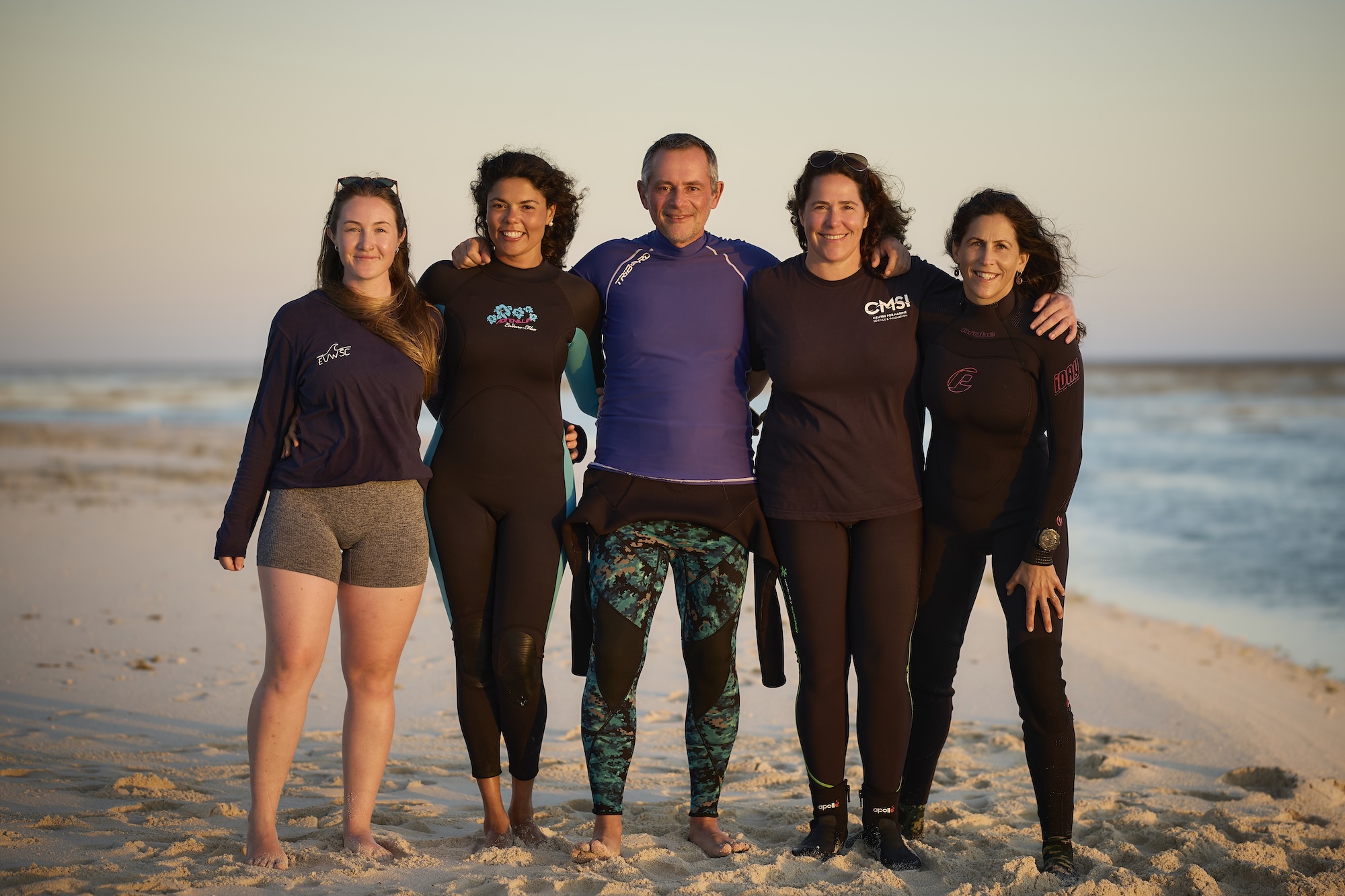
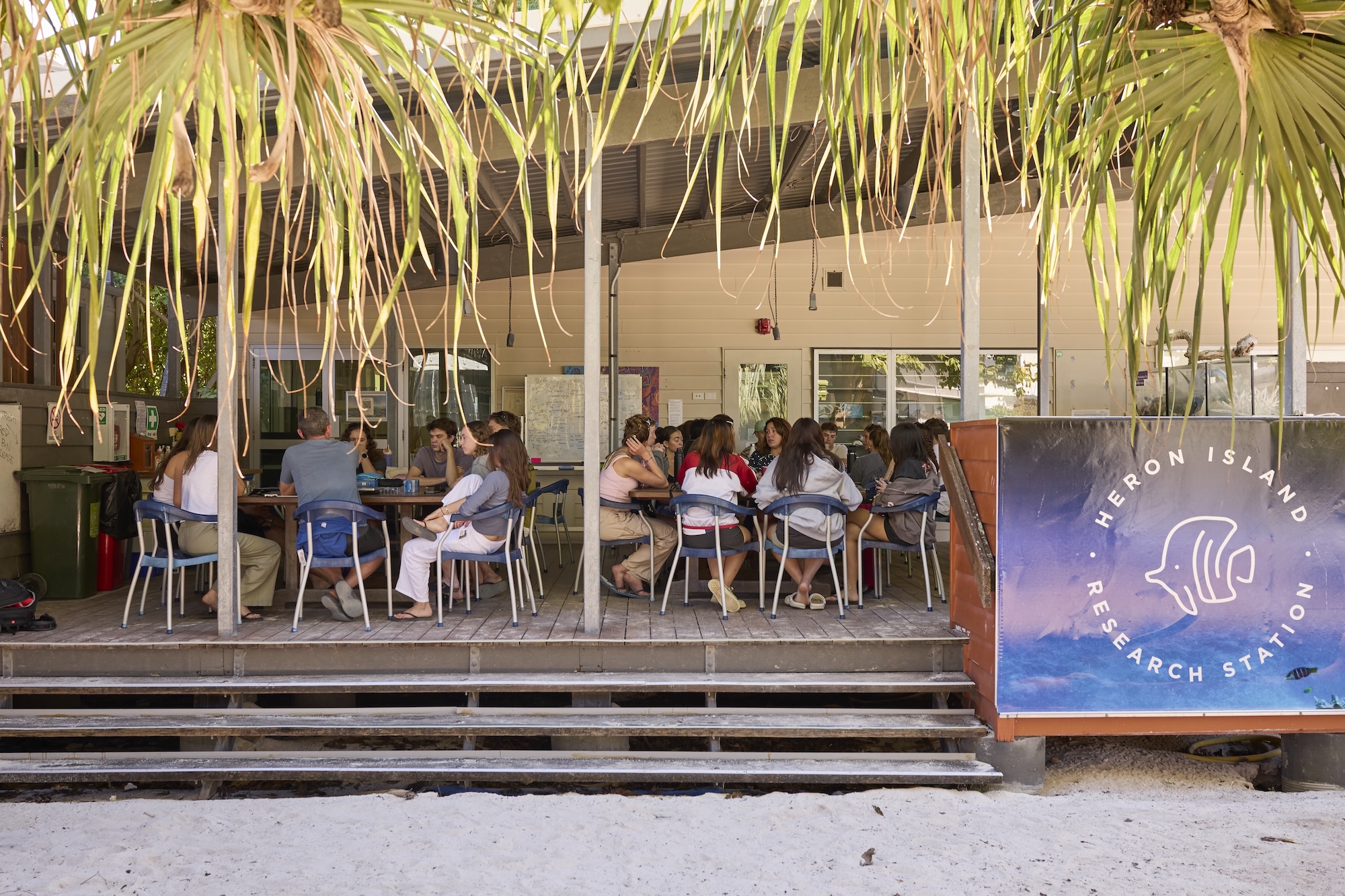
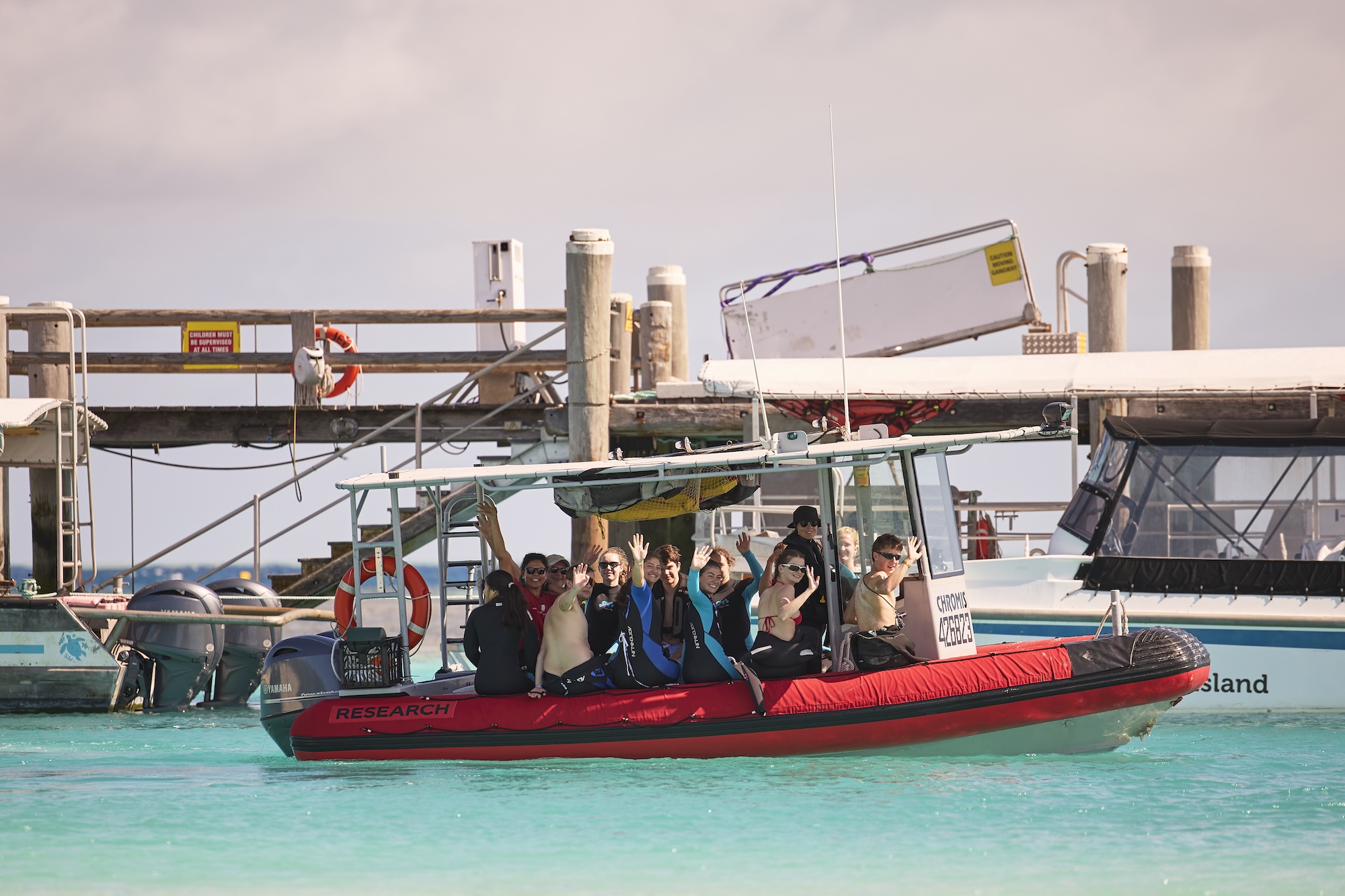
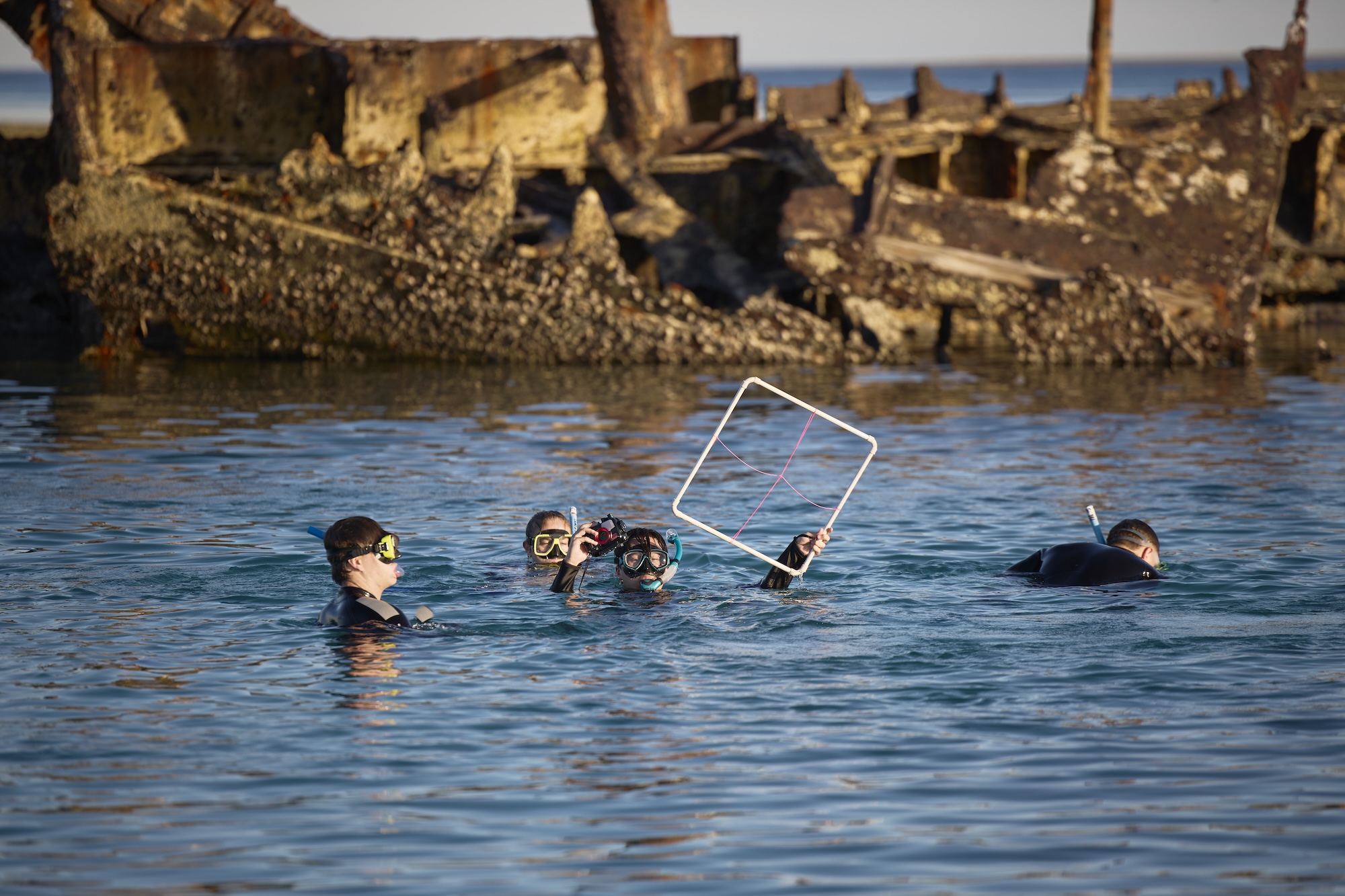
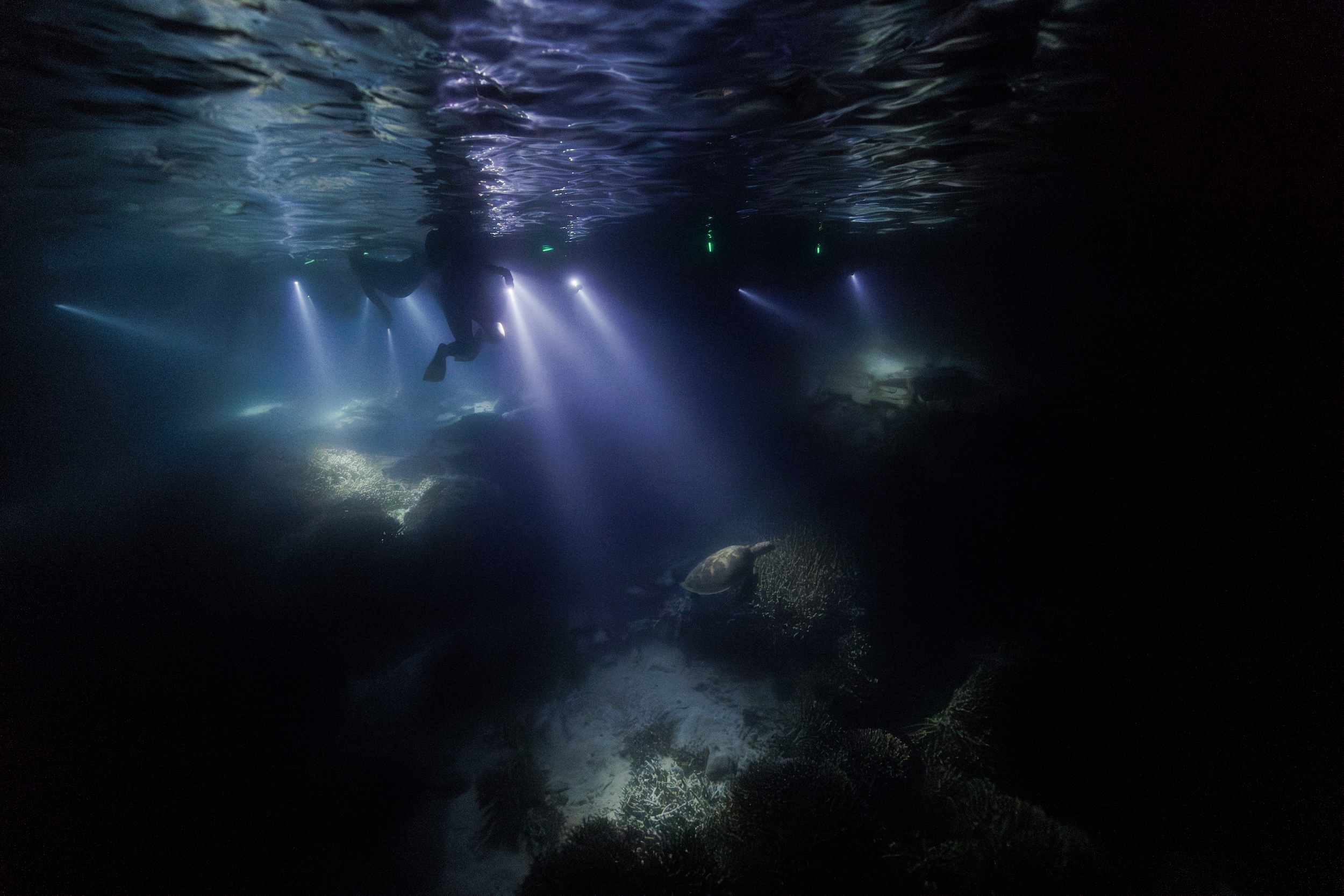
Students explore the coral animal–plant symbiosis, reef fish communities, algae, invertebrates, and the mammals that interact with them, alongside the temperature, currents, and chemistry that govern reef health. Online modules prepare you for a compulsory field trip to Heron Island Research Station in the Great Barrier Reef, where you design and run a reef-based experiment and see the threats and conservation strategies first-hand.
Note: Includes a compulsory Heron Island field trip that incurs personal costs.
Courses I Teach Into
Term 2
Discover the dynamic world of marine science by exploring the biological, chemical, physical, and geological processes that shape our oceans. Students investigate how these processes interact to create diverse ecosystems—from coral reefs to the deep sea—and how the ocean regulates climate and supports life on Earth.
Through engaging lectures, hands-on practicals, and contemporary case studies you develop scientific literacy and an understanding of current challenges such as climate change, ocean acidification, and sustainable resource management. The course provides a springboard into marine biology, oceanography, climate science, and environmental management pathways.
Terms 2 & 3
Why do people disagree about climate change and how can we separate fact from fiction? This online course tackles those questions head-on, blending core physical science with psychology, politics, energy systems, economics, ethics, and health.
Students build climate literacy, engage with the peer-review process, and develop evidence-based reasoning skills that are valuable across every discipline. Weekly activities require about six hours and include collaborative group work, forum discussions, and analytical exercises—ideal for anyone wanting a solid grounding in climate change.
Term 2
Gain a comprehensive understanding of Earth’s climate system by studying the coupled atmosphere, ocean, biosphere, and cryosphere. We examine key feedbacks, the carbon and hydrological cycles, and the statistical tools used to detect environmental change.
Students progress from conceptual models to state-of-the-art Earth system simulations, running experiments and analysing their outputs. This integrated lecture-and-lab experience builds the technical skills needed for research careers, climate-risk assessment, and further graduate study.
AGSM MBA
Part of the AGSM sustainability curriculum, this session equips future executives with the climate science fundamentals underpinning strategic decision-making. We cover the physical basis of climate change, the evidence for anthropogenic warming, projections and their uncertainties, and the physical impacts most relevant to business.
Students learn to interpret scientific findings, evaluate claims, and integrate climate risk into corporate strategy—critical fluency for leading organisations through the low-carbon transition.
Resources for Students
Office Hours
I meet students by appointment—please get in touch to arrange a time.
Email: a.sengupta@unsw.edu.au
Course Materials
Research Opportunities
Interested in climate science research? Contact me to discuss:
- Honours projects
- Vacation research scholarships
- Research assistant positions
Useful Links
- UNSW Handbook - Official program and course information
- School of BEES - Department website
- Climate Change Research Centre
- UNSW Science
- UNSW CMSI - Climate Change Research Strategy Initiative